
Costochondritis and Tietze syndrome
Veterans Can Get a Costochondritis or Tietze Syndrome VA Rating
Costochondritis and Tietze syndrome are similar conditions caused by repetitive physical trauma to the chest and ribs. Both are eligible for VA disability benefits depending on the severity of the symptoms they cause. This post explains more.
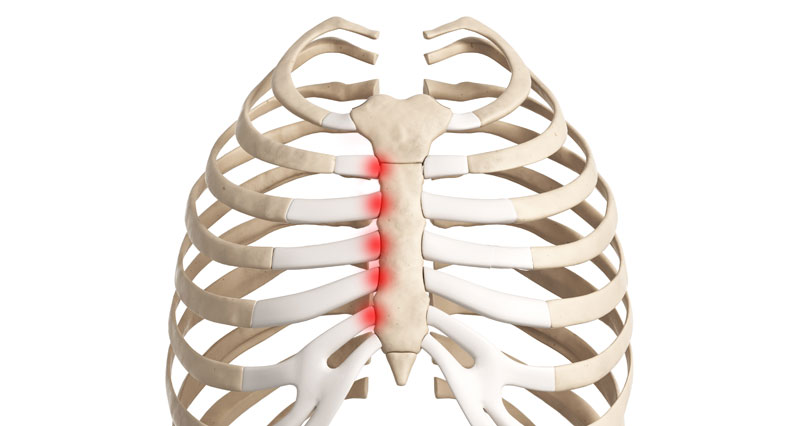
What is the difference between costochondritis and Tietze syndrome?
Both costochondritis and Tietze syndrome refer to the inflammation of the cartilage in the rib cage that connects the ribs to the sternum. This inflammation may be caused by infection, injury, or physical strain.
Symptoms of costochondritis and Tietze syndrome include chest pain and tenderness.
While they are similar conditions and treated the same way, there are key differences between them, as outlined in the chart below.
| Costochondritis | Tietze syndrome |
|---|---|
| No swelling | Swelling you can see on the ribs |
| Affects lower ribs | Affects the chest and upper ribs |
| Pain usually starts on the left side and spreads through the ribs | Pain in chest and upper ribs |
Doctors typically treat the conditions with rest, pain relievers, and steroids. Costochondritis usually heals within a year, but Tietze syndrome-related swelling may last much longer.
Costochondritis VA rating
Costochondritis doesn’t have a specific diagnostic code, but the VA has a regular rating it uses for the condition. Costochondritis is rated using diagnostic code 5321, group XXI for the thoracic muscle group in the Schedule of Ratings for Muscle Injuries. The costochondritis VA ratings, based on the severity of symptoms, are as follows:
Description |
VA Rating |
Monthly Payment
|
|---|---|---|
Severe or moderately severe |
20% |
$346.95 |
Moderate |
10% |
$175.51 |
Slight |
0% |
None |
Tietze syndrome VA rating
Tietze syndrome also doesn’t have its own diagnostic code. Instead, the VA will rate the condition analogously, which means it’s rated based on the condition that most closely matches the veteran’s symptoms.
Tietze syndrome is rated using the same rating criteria as costochondritis. That means the Tietze syndrome VA rating is the same as in the chart above.
Costochondritis, Tietze syndrome, and related conditions
Costochondritis and Tietze syndrome may be related to other medical conditions that cause inflammation of the rib cage and that qualify for veteran disability benefits.
A secondary service connection allows you to receive a VA disability rating for any health condition medically related to a service-connected condition.
Costochondritis and Tietze syndrome can be secondary to:
- Arthritis. Arthritis causes inflammation of the joints. It can damage rib cartilage and affect joint functioning, resulting in costochondritis or Tietze syndrome. If you were diagnosed with service-connected arthritis that led to costochondritis or Tietze syndrome, you may be able to receive additional VA compensation on a secondary basis.
- Autoimmune diseases. These conditions occur when the body’s immune system mistakenly attacks healthy tissues, organs, or cells. These diseases make people more susceptible to infections, which may cause coughs, reflux, or vomiting, which can lead to costochondritis or Tietze syndrome.
- Physical trauma to the chest or ribs or intense physical activity may also cause these conditions. If a veteran experiences a chest or rib injury during service, it could result in costochondritis or Tietze syndrome, and they may be eligible for a secondary service connection.
TDIU for costochondritis or Tietze syndrome
In some cases, a veteran may be awarded total disability based on individual unemployability (TDIU) for costochondritis or Tietze syndrome. Veterans are eligible for this benefit if they can’t maintain substantially gainful employment due to their service-connected conditions.
It’s unlikely that these conditions alone would warrant TDIU. However, either may qualify when combined with other disabilities. Someone with an autoimmune disease and Tietze syndrome may be unable to work because of their pain and limited mobility.
Veterans who receive TDIU are compensated at the 100% disability rating level even though their condition is rated below 100%.
Veterans will typically be eligible for TDIU if they have:
1
At least one service-connected disability rated at 60% or more disabling OR
2
Two or more service-connected disabilities with at least one rated at 40% or more disabling and a combined rating of 70% or more
How VA can help
Our VA-accredited attorneys have helped thousands of veterans nationwide who can no longer work because of their service-connected conditions. Call us today for your free, confidential TDIU case evaluation. You won’t pay us unless we win your claim.