
Lumbosacral strain
Lumbosacral Strain VA Rating
Lumbosacral strain affects over a million U.S. veterans. Military service is full of uniquely strenuous situations that can cause the muscles and tendons in the lower back or lumbosacral plexus to tear, making lumbosacral strain VA disability one of the most common service-connected disabilities. The VA rates this condition between 10% and 100% based on the severity of the condition and the veteran’s range of motion in their back.
If you’re a veteran who believes you have service-connected lumbosacral strain, read on to learn more about related issues you may experience, the lumbosacral strain VA rating, and what you can do if your back pain keeps you from working.
What are the symptoms of lumbosacral strain?
As of 2022, cervical and lumbosacral strain are the 5th most commonly service-connected disabilities. Cervical strain refers to injuries causing pain and discomfort in the upper back and neck: lumbosacral strain can refer to any number of injuries that cause these issues in the lower portion of the back.
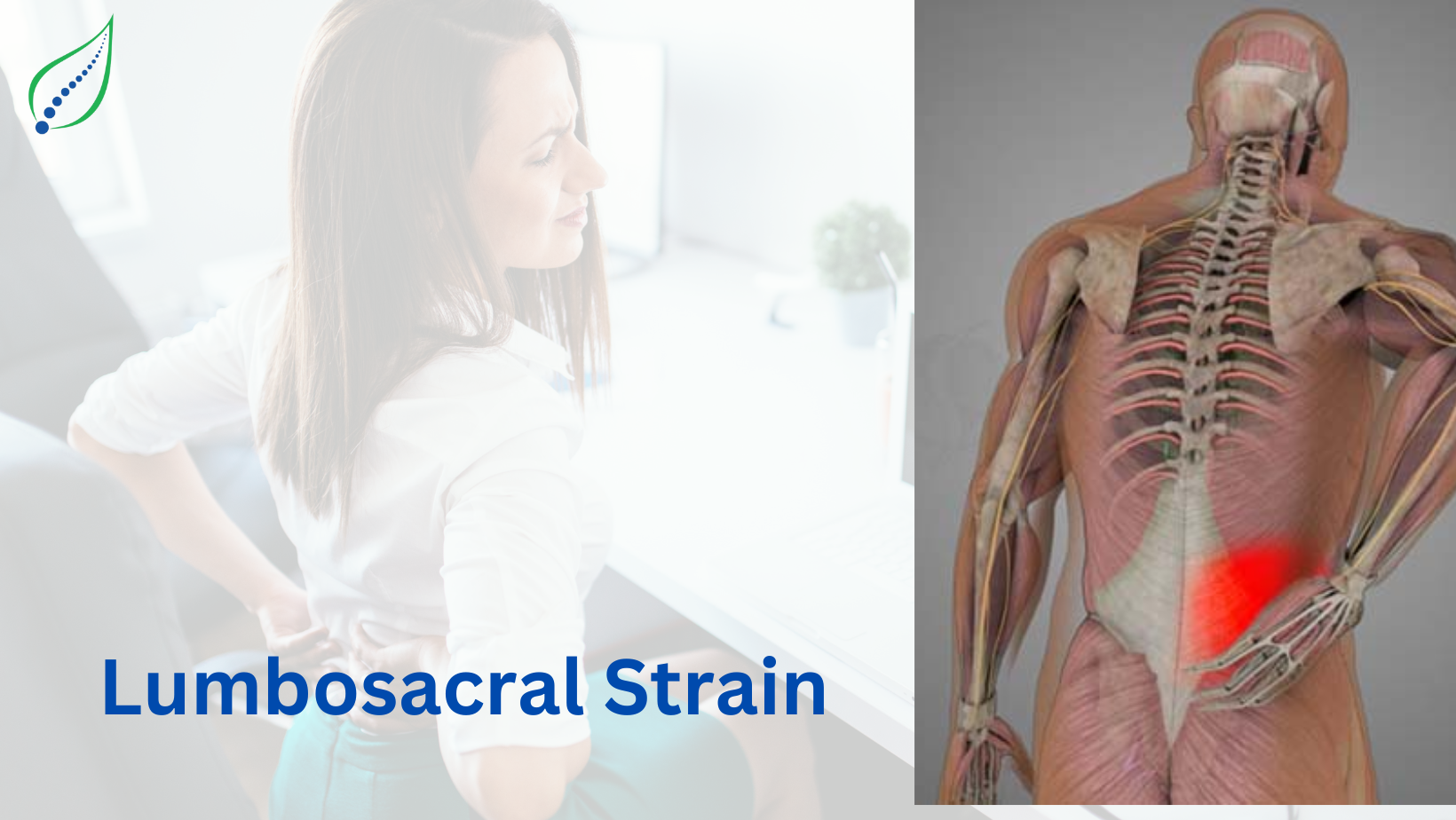
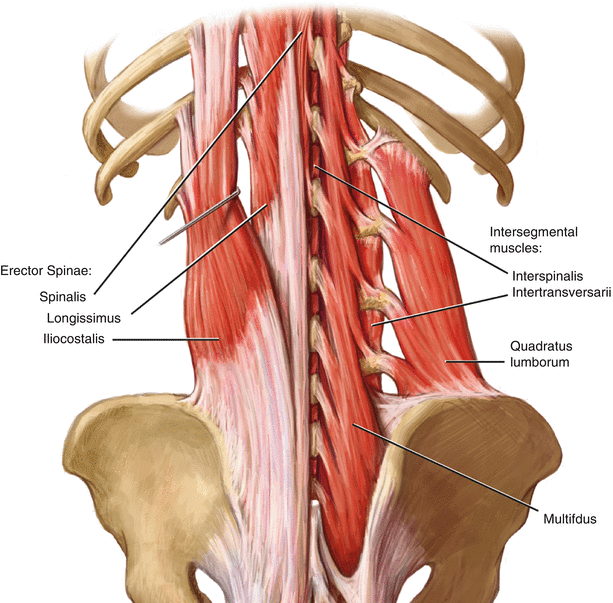
Lumbosacral strain is a medical term for an injury that causes lower back pain. The lumbosacral area (low back) is between the bottom of the ribcage and the top of the buttocks. The lumbosacral area of the spine consists of the five bones sitting below the twelve chest vertebrae and the triangular-shaped sacrum bone. Veterans with lumbosacral strain have sprains, tears, and other injuries to muscles and tendons in this section of the back. Veterans with lumbosacral strain experience pain, weakness, numbness, swelling, and limited range of motion.
Service connecting lumbosacral strain
Lumbosacral strains may result from carrying heavy-weight rucksacks or from combat injuries. Veterans can also strain the muscles and tendons connected to the spine in several other ways, such as accidents or falls, prolonged periods of sitting or standing in one position, and repetitive movements performed during duties.
Additionally, moving muscles beyond their usual range of motion can also cause sudden back pain, especially when twisting, bending, lifting heavy objects, or performing physically demanding actions like jumping and running. These are all common aspects of military training and are even more prominent in combat settings.
VA rating for lumbosacral strain
The VA uses diagnostic code 5237 to designate lumbosacral strains and uses the general rating formula for diseases and injuries of the spine to determine a veteran’s rating. These ratings can range from 10% to 100%. Ratings between 10% and 40% are based on limitations to the range of motion. The VA provides ratings of 50% and 100% based on the degree to which the spine is immobilized, a condition referred to as unfavorable ankylosis.
General Rating Formula for Diseases and Injuries of the Spine:
Description |
VA Rating |
|---|---|
Unfavorable ankylosis |
100% |
Unfavorable ankylosis of the entire thoracolumbar spine |
50% |
Unfavorable ankylosis of the entire cervical spine OR
|
40% |
Forward flexion of the cervical spine 15 degrees or less OR
|
30% |
Forward flexion of the thoracolumbar spine greater than 30 degrees but not greater than 60 degrees OR the following:Forward flexion of the cervical spine greater than 15 degrees but not greater than 30 degreesThe combined range of motion of the thoracolumbar spine but not greater than 120 degreesA combined range of motion of the cervical spine not greater than 170 degreesMuscle spasm or guarding severe enough to result in an abnormal gait or abnormal spinal contour (i.e. scoliosis, etc.) |
20% |
Forward flexion of the thoracolumbar spine greater than 60 degrees but not greater than 85 degrees OR the following:Forward flexion of the cervical spine greater than 30 degrees but not greater than 40 degreesCombined range of motion of the thoracolumbar spine greater than 120 degrees but not greater than 170 degrees but not greater than 335 degreesMuscle spasm, guarding or localized tenderness not affecting gait or spinal contourVertebral body fracture with loss of 50% or more of height |
10% |
“The VA commonly under-rates service-connected back pain,” said VA disability lawyer Lori Underwood. “Back pain ratings are evaluated in the diagnostic code, usually by incapacitating episodes or, in lesser severity, by loss of range of motion.”
Before assigning a rating for their condition, the VA typically requires veterans to undergo a compensation and pension (C&P) examination. During this examination, a physician will measure the veteran’s range of motion, monitor pain, and express limitations based on what they perceive.
TDIU for lumbosacral strain
Veterans with back conditions like lumbosacral strain that prevent them from keeping “gainful employment” may be entitled to total disability based on individual unemployability (TDIU) benefits. TDIU provides a pathway for veterans to receive the same compensation as a 100% rating, even when their symptoms do not meet the criteria for a schedular 100% rating.
The effects of lower back pain on mobility and functionality can make it much harder for a veteran to perform specific job tasks. Regular flare-ups of pain may lead to many missed work days. Pain and stiffness in the back can lead to difficulty sleeping, which can, in turn, affect motivation, focus, and patience at work.
“Severe back pain can quickly lead to unemployment,” said VA-accredited attorney Lori Underwood. “When a veteran is not able to hold gainful employment because of the symptoms of lumbosacral strains or related spine conditions, the disability can be service-connected as a totally disabling condition or the cause of a TDIU rating.”
To be eligible for TDIU, veterans typically must have:
1
At least one service-connected disability rated at 60% or more disabling OR
2
Two or more service-connected disabilities with at least one rated at 40% or more disabling and a combined rating of 70% or more
How VA can help
Our VA-accredited attorneys have helped thousands of veterans nationwide who can no longer work because of their service-connected conditions. Call us today for your free, confidential TDIU case evaluation. You won’t pay us unless we win your claim.