
Radiculopathy
Getting Radiculopathy VA Benefits
Radiculopathy refers to the pinching of nerves in the spinal column. This pinching leads to symptoms including pain, numbness, tingling, or weakness radiating from the spine to other parts of the body. The VA provides a rating for veterans diagnosed with radiculopathy based on the nerves affected and the condition’s severity.
Read on to learn more about the types and causes of radiculopathy, how to qualify for a radiculopathy VA rating, and what veterans can do if service-connected radiculopathy prevents them from working.
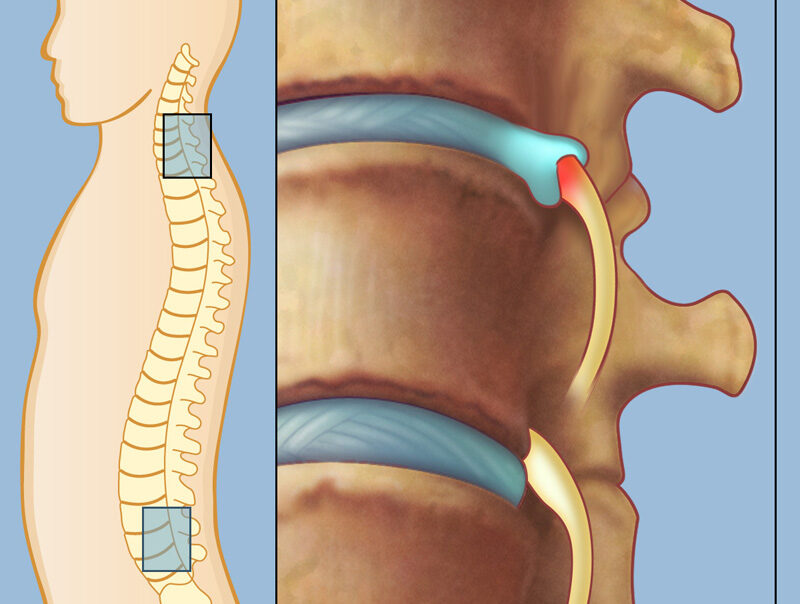
What is radiculopathy?
Radiculopathy is an umbrella term for pain caused by compression or irritation of nerves in the back.
We can imagine the nerves in our spine like a highway, with messages driving to and from our brains. In this scenario, radiculopathy is like big potholes or debris in the lanes – road damage getting in the way of our body’s messages getting to their destinations. This causes various symptoms, depending on which nerves are affected.
Various factors, including injuries, bone spurs, degenerative conditions, disc herniation, or natural wear and tear on the spine can cause radiculopathy.
Types of radiculopathy
The spine is divided into three sections: cervical (upper back), thoracic (mid back), and lumbar (lower back). Likewise, there are three types of radiculopathy, each named for the section of the spine where the damaged nerves are located – cervical radiculopathy, thoracic radiculopathy, and lumbar radiculopathy.
Symptoms vary greatly based on the location of the damaged nerves in the spine. The most common symptoms include sharp pain, weakness, and numbness, which can range from mild discomfort to debilitating, depending on the severity of nerve damage. If a nerve in your lower back is affected, you might feel pain or numbness in your leg. If a nerve in your neck is involved, you might have pain or tingling in your arm. Some veterans with radiculopathy have ongoing symptoms, while others may experience occasional flare-ups.
These symptoms can sometimes overlap with peripheral neuropathy. The main difference between these conditions is that radiculopathy is damage to nerves along the spine. In contrast, peripheral neuropathy is nerve damage elsewhere in the body.
Similarly, carpal tunnel syndrome is a type of neuropathy caused by nerve damage in the wrist.
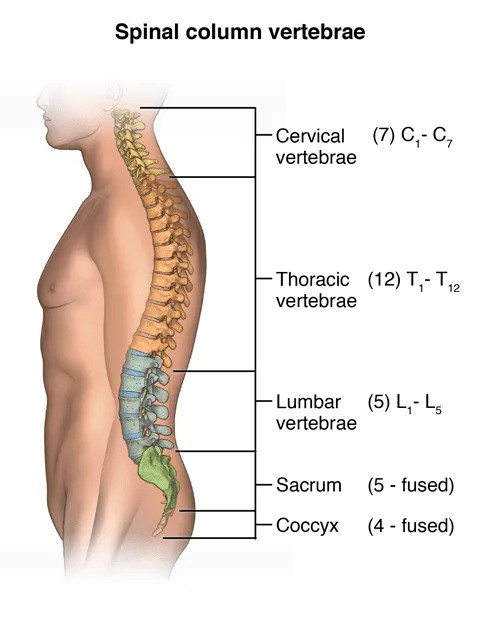
Lumbar radiculopathy (sciatica)
Lumbar radiculopathy, commonly known as sciatica, affects nerves in the lower back. Sciatica is one of the most common service-connected disabilities among veterans. Lumbar radiculopathy is also the most common type of radiculopathy.
This nerve damage in the lower spine most often occurs when the discs in the lumbar spine herniate or degenerate, putting pressure on the nerves. Veterans with lumbar radiculopathy may experience pain, tingling, or numbness that radiates from the lower back down the leg following the sciatic nerve path.
Physical activities such as walking or standing for prolonged periods may worsen the symptoms.
Cervical radiculopathy (pinched nerve)
Cervical radiculopathy occurs when nerves in the neck become compressed or irritated, leading to symptoms that radiate down the arms and into the hands. Symptoms may include weakness, tingling and numbness, and decreased motor skills.
Thoracic radiculopathy
Thoracic radiculopathy, the least common type of radiculopathy, affects the nerves in the upper back. Veterans with thoracic radiculopathy may experience pain, numbness, or tingling in the front of the body, such as the chest, abdomen, or radiating around the ribcage.
Causes of radiculopathy in veterans
Veterans are no strangers to radiculopathy, according to VA disability benefits lawyer Cecilia Ton. “One of the most common neurologic disabilities that we see here at Woods & Woods is radiculopathy, which is pain or numbness and tingling that starts in the spine and radiates elsewhere, often the lower extremities or the hands and fingers,” said Ton.
Tissues surround the roots of our nerves. These tissues can change over time by growing or shifting due to our activities or normal wear and tear on the body. There is not much extra room in the spine, so when these tissues start occupying new space in our backs, they can leave less room for the nerves and end up squeezing or pinching them, resulting in radiculopathy.
Various factors related to military service can cause changes in these tissues. Heavy lifting, repetitive motions, or spinal injuries from routine military tasks or combat-related incidents can all lead to radiculopathy, often through bulging discs, bone spurs, spinal stenosis, or degenerative disc disease.
Radiculopathy VA Rating
There is no diagnostic code in the Schedule of Ratings specifically for radiculopathy. Instead, the VA determines what code to use based on the nerves affected and the severity of the damage. Some veterans may have only one nerve affected, while others may receive ratings under various diagnostic codes for multiple affected nerves.
The VA may determine a nerve or group of nerves has complete paralysis, meaning the corresponding body part cannot move at all, or incomplete paralysis, when the nerve damage limits its ability to function.
Less severe classifications than paralysis are neuritis, associated with the decreased ability to sense things, muscle weakness, and the loss of reflexes, or neuralgia, associated with pain, numbness, or tingling.
Let’s use the sciatic nerve as an example. If a veteran’s sciatic nerve is not completely functioning, it could be determined to be “paralysis of the sciatic nerve,” which rates under diagnostic code 8520 within the Schedule of Ratings. If the veteran finds it difficult to bend the knee and the foot dangles or drops with no movement below the knee, that matches the symptoms for “complete paralysis” and should be awarded a rating of 80%.
Ratings for radiculopathy can range from 0% to 90% depending on which nerve is affected and how severely. The VA also considers factors like whether both sides of the body are affected.
Radiculopathy and unemployability
Radiculopathy can make it difficult to hold steady employment. The persistent pain makes it hard to sit at a desk, stand at a counter, or do physical work for extended periods, making it tough to be a reliable and productive worker. Dealing with the pain and limitations of radiculopathy can affect how well you can do your job consistently.
If you can’t work because of service-connected conditions, you may be eligible for TDIU (total disability individual unemployability) benefits. TDIU pays the same compensation as a 100% VA rating without requiring a 100% rating.
For veterans with radiculopathy, TDIU eligibility will depend on the nerves affected and the severity of the symptoms. Veterans with radiculopathy may also be eligible for TDIU in combination with other disabilities, such as degenerative disc disease.
How VA can help
If you need assistance applying for VA disability benefits or appealing a decision, contact us at Woods & Woods. Our dedicated team of VA-accredited attorneys, legal analysts, cases managers, and supporting staff is committed to helping veterans get the benefits they deserve. Contact us today for a free case evaluation. You won’t pay us a dime unless we take and win your case.