
Anemia
Understanding the VA Ratings for Anemia
Dealing with anemia can be difficult, and if it’s related to your time in the armed forces, you deserve VA compensation. This article explains the types of anemia and how they may be service connected, as well as other conditions that can cause the issue.
You’re tired seemingly all the time and feel winded when doing even the most low-impact activities, like walking across a room. Now your doctor says you’re anemic. Is this blood condition tied to your military service? If so, should you receive VA disability compensation? Here’s what you need to know about VA disability for anemia.
What is anemia?
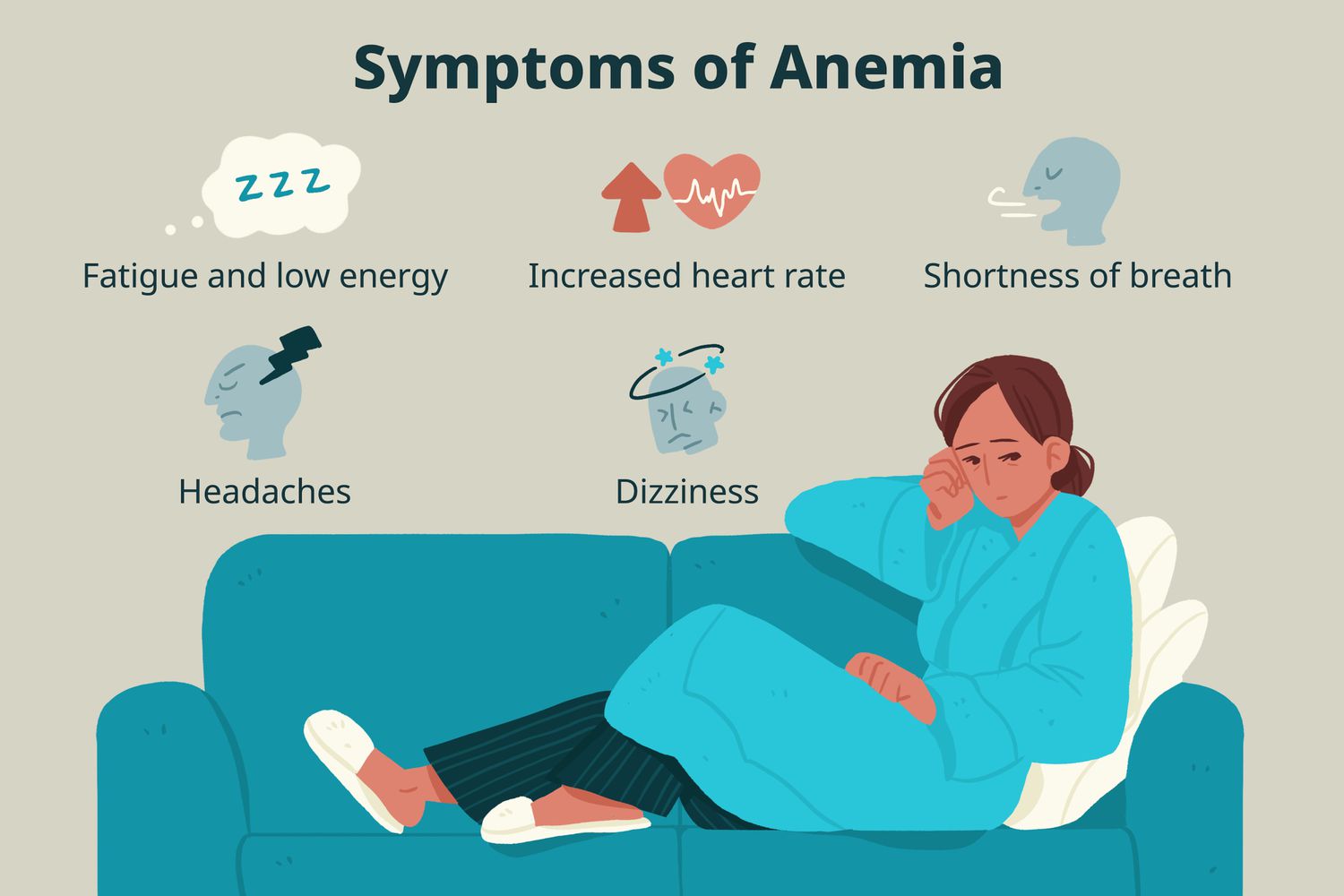
Anemia is a condition caused by a lack of hemoglobin, or healthy red blood cells, to carry oxygen from your lungs to other organs. This shortage could be because your body isn’t producing enough red blood cells, or you’re losing them and not replacing them quickly enough.
Symptoms of anemia include:
There are various types of anemia, depending on the root cause. They include:
The anemia VA rating
The VA rates anemias differently, depending on the specific type and severity of symptoms. We explain each type below.
Acquired hemolytic anemia VA rating
Acquired hemolytic anemia is rated using diagnostic code 7723 in the Schedule of Ratings. The rating criteria is as follows:
Description |
VA Rating |
Monthly Payment
|
|---|---|---|
Requiring a bone marrow transplant or continuous intravenous or immunosuppressive therapy (e.g., prednisone, Cytoxan, azathioprine, or rituximab) |
100% |
$3,831.30 |
Requiring immunosuppressive medication 4 or more times per 12-month period |
60% |
$1,395.93 |
Requiring at least 2 but less than 4 courses of immunosuppressive therapy per 12-month period |
30% |
$537.42 |
Requiring one course of immunosuppressive therapy per 12-month period |
10% |
$175.51 |
Asymptomatic |
0% |
None |
Aplastic anemia VA rating
The VA rates aplastic anemia is rated using diagnostic code 7716 in the Schedule of Ratings. The rating is as follows:
Description |
VA Rating |
Monthly Payment
|
|---|---|---|
Requiring peripheral blood or bone marrow stem cell transplant; or requiring transfusion of platelets or red cells, on average, at least once every six weeks per 12-month period; or infections recurring, on average, at least once every six weeks per 12-month period |
100% |
$3,831.30 |
Requiring transfusion of platelets or red cells, on average, at least once every three months per 12-month period; or infections recurring, on average, at least once every three months per 12-month period; or using continuous therapy with immunosuppressive agent or newer platelet stimulating factors, including medications, factors, or other FDA-approved treatments |
60% |
$1,395.93 |
Requiring transfusion of platelets or red cells, on average, at least once per 12-month period; or infections recurring, on average, at least once per 12-month period |
30% |
$537.42 |
The 100% rating begins with diagnosis and continues for six months after hospital discharge before a re-evaluation based on a new C&P exam.
Iron deficiency anemia VA rating
The VA rates iron deficiency anemia using diagnostic code 7720 in the Schedule of Ratings. The rating is as follows:
Description |
VA Rating |
Monthly Payment
|
|---|---|---|
Requiring intravenous iron infusions 4 or more times per 12-month period |
30% |
$537.42 |
Requiring intravenous iron infusions at least 1 time but less than 4 times per 12-month period, or requiring continuous treatment with oral supplementation |
10% |
$175.51 |
Asymptomatic or requiring treatment only by dietary modification |
0% |
None |
The VA doesn’t evaluate iron deficiency as a result of blood loss with this code. Those deficiencies are included under the code for the condition that causes the blood loss
Pernicious anemia and Vitamin B12 deficiency anemia VA rating
Pernicious anemia and Vitamin B12 deficiency anemia are rated using diagnostic code 7722. The rating is as follows:
Description |
VA Rating |
Monthly Payment
|
|---|---|---|
For initial diagnosis requiring transfusion due to severe anemia, or if there are signs or symptoms related to central nervous system impairment, such as encephalopathy, myelopathy, or severe peripheral neuropathy, requiring parenteral B12 therapy |
100% |
$3,831.30 |
Requiring continuous treatment with Vitamin B12 injections, Vitamin B12 sublingual or high-dose oral tablets, or Vitamin B12 nasal spray or gel |
10% |
$175.51 |
This type of anemia is assigned a 100% from the date of diagnosis that requires a transfusion and continues for six months following hospital discharge. It then requires a C&P exam within six months after hospital discharge or completion of B12 therapy.
At that time, the condition is rated at 10% or under another code, based on residuals. Those residuals may be neurologic involvement causing peripheral neuropathy, myelopathy, dementia, or related gastrointestinal residuals, according to the Schedule of Ratings.
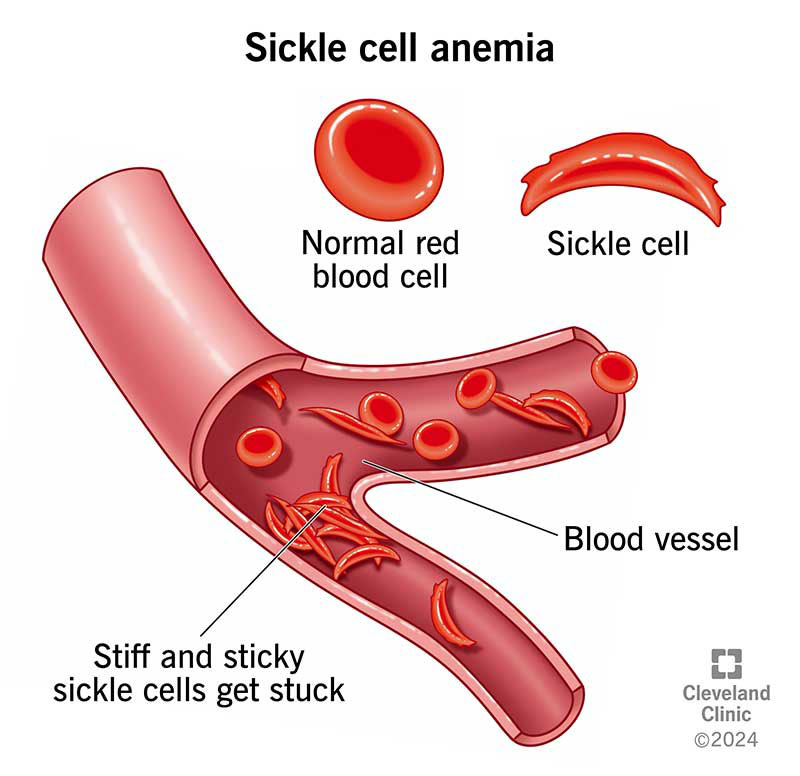
Sickle cell anemia VA rating
Sickle cell anemia is rated using diagnostic code 7714 in the Schedule of Ratings. The rating is as follows:
Description |
VA Rating |
Monthly Payment
|
|---|---|---|
With at least 4 or more painful episodes per 12-month period, occurring in skin, joints, bones, or any major organs, caused by hemolysis and sickling of red blood cells, with anemia, thrombosis, and infarction, with residual symptoms precluding even light manual labor |
100% |
$3,831.30 |
With 3 painful episodes per 12-month period or with symptoms precluding other than light manual labor |
60% |
$1,395.93 |
With 1 or 2 painful episodes per 12-month period |
30% |
$537.42 |
Asymptomatic, established case in remission, but with identifiable organ impairment |
10% |
$175.51 |
Because it is hereditary, the presence of the sickle cell trait alone is not a rateable condition, according to the Schedule of Ratings.
Service connecting anemia
It’s important to note that anemia is on the list of conditions that are assumed presumptive if they develop within a year of discharge from service. This means the VA automatically presumes the condition was caused by military service without requiring proof of service connection if it develops during service or within one year of discharge.
Additionally, aplastic anemia is considered presumptive for qualifying veterans who served at Camp Lejeune.
Otherwise, you’ll need to provide evidence showing the connection between your service and your anemia. Examples of evidence may include military and medical records and a nexus letter from a doctor. Lay and buddy statements can also help support your claim.
Finally, you may receive VA disability compensation for your anemia if it’s caused by another service-connected condition. We share examples of this below.
Anemia and related conditions
Other service-connected conditions may be related to anemia, making anemia a secondary service connection for veterans with those concerns. To receive VA disability for a secondary condition, you must first be service-connected for the issue causing the anemia.
Medical issues that may result in anemia include:
In addition, if left untreated, anemia may cause heart disease, organ failure, or the worsening of other chronic conditions. Either way, if you develop anemia, it’s important to discuss with your doctor whether it is tied to your military service.
TDIU for anemia
In some cases, a veteran may be awarded total disability based on individual unemployability (TDIU) for anemia. TDIU is also known as individual unemployability or simply IU. Veterans are eligible for these benefits if they can’t hold down “substantially gainful” employment due to their service-connected conditions.
Veterans with anemia may struggle to work if the condition causes frequent painful episodes that preclude most manual labor, severe peripheral neuropathy, or recurring infections, among other symptoms. They may be even more likely to qualify if they have other service-connected health issues.
Veterans who receive TDIU benefits are compensated at the same level as those with a 100% disability rating, even though their combined rating is below 100%.
Veterans will typically be eligible for TDIU if they have:
1
At least one service-connected disability rated at 60% or more disabling OR
2
Two or more service-connected disabilities with at least one rated at 40% or more disabling and a combined rating of 70% or more
How VA can help
Our VA-accredited attorneys have helped thousands of veterans nationwide who can no longer work because of their service-connected conditions. Call us today for your free, confidential TDIU case evaluation. You won’t pay us unless we win your claim.