
Testicular cancer and other conditions
VA Disability for Testicular Conditions
The VA offers disability benefits for multiple service-connected testicular conditions. Veterans may sustain an injury to the testis or be exposed to harmful chemicals during their service which increase the risk of testicular cancer. These injuries and illnesses can result in testicular dysfunction or removal of one or both of the testicles. The VA rating for testicular cancer and other testicular conditions varies and ultimately depends on the severity of symptoms.
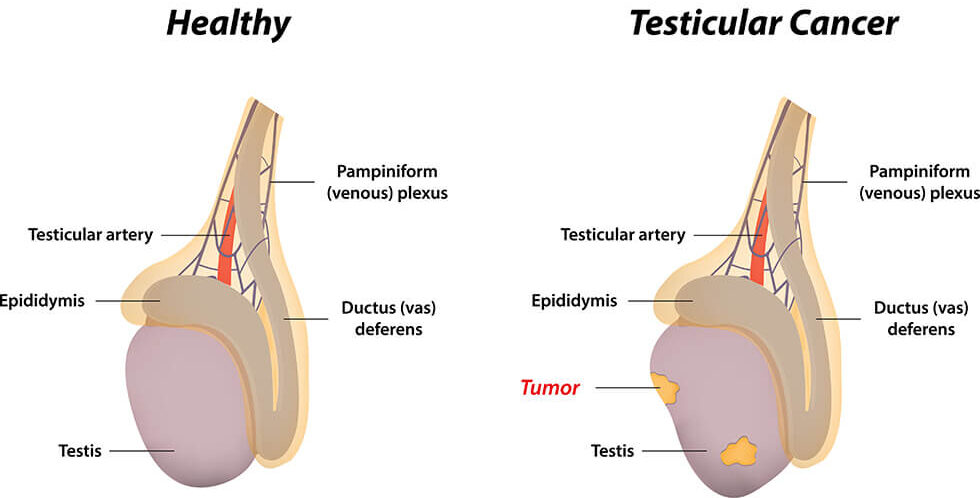
Testicular conditions eligible for VA benefits
Common testicular conditions that may be service connected for a veteran include:
These conditions may also lead to other related issues like infertility or chronic testicular pain.
In order to receive VA disability for a testicular condition, you must be able to prove a connection between your service and your ailment. The only instance where you would not need to prove the direct tie between your condition and service is when you qualify for a presumptive condition.
You may also have testicular issues that are secondary conditions, meaning they are actually caused by another condition that is service connected. You may still be able to receive disability benefits for these secondary testicular conditions.
VA disability benefits for testicular cancer
Testicular cancer is a condition most common in American males 15 to 35. Overall, this type of cancer is fairly rare but very treatable, particularly when caught early.
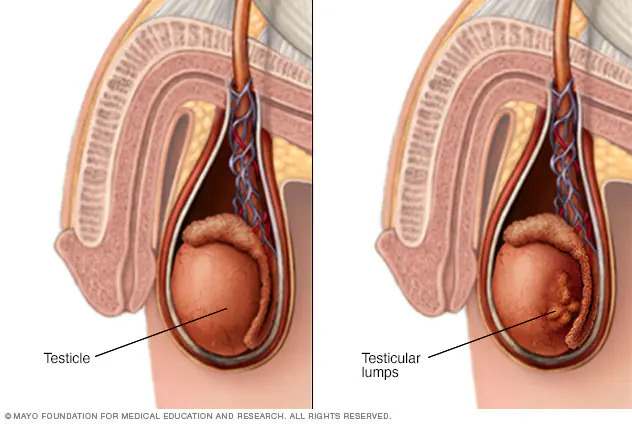
As with other cancers, cells with abnormal DNA cause testicular cancer. Symptoms include:
These conditions may also lead to other related issues like infertility or chronic testicular pain.
In order to receive VA disability for a testicular condition, you must be able to prove a connection between your service and your ailment. The only instance where you would not need to prove the direct tie between your condition and service is when you qualify for a presumptive condition.
You may also have testicular issues that are secondary conditions, meaning they are actually caused by another condition that is service connected. You may still be able to receive disability benefits for these secondary testicular conditions.
VA rating for testicular cancer
Testicular cancer is rated in the VA Schedule of Ratings under diagnostic code 7528, malignant neoplasms of the genitourinary system. Active, service-connected testicular cancer is rated at 100%, which currently provides $3,831.30 a month for a single veteran with no dependents.
The 100% rating will continue for six months after chemotherapy or other therapeutic treatments for the cancer. At that point, you will receive a re-examination at a VA facility to receive your new rating for cancer in remission. Residual effects resulting from your cancer treatment will be taken into consideration and rated accordingly.
Service connecting testicular cancer
As with any condition you want to service connect for VA disability benefits, you must first prove your testicular condition was caused or aggravated by your service. A medical nexus letter or support from added evidence like personal documents or buddy statements may help your case.
However, there are certain cases where there may be an increased risk or even a presumed connection for testicular cancer related to your military service
Burn pits and testicular cancer
When Congress passed the PACT Act in August 2022, it included “reproductive cancers of any kind” on the list of presumed conditions for qualifying Gulf War and post-9/11 veterans exposed to toxins from burn pits. It is unclear whether the VA will consider testicular cancer as a reproductive cancer that qualifies under the umbrella of “reproductive cancers” and be presumptively service connected.
A presumed connection means the VA assumes that certain disabilities were caused by unique circumstances during a veteran’s service. In this case, if you were exposed to burn pit toxins and now have testicular cancer, you do not need to prove the cancer was caused by the exposure because the VA has already established this connection.
However, you do need to prove your exposure. To qualify, you must provide a diagnosis and documentation that shows you served in any of these locations, during the named time periods:
On or after September 11, 2001, in any of these locations:
- Afghanistan
- Djibouti
- Egypt
- Jordan
- Lebanon
- Syria
- Uzbekistan
- Yemen
- The airspace above any of these locations
On or after August 2, 1990, in any of these locations:
- Bahrain
- Iraq
- Kuwait
- Oman
- Qatar
- Saudi Arabia
- Somalia
- The United Arab Emirates (UAE)
- The airspace above any of these locations
It is believed millions of veterans breathed in toxins from pits of burning chemicals, fuel, waste, and more during their service. These burn pit toxins have been linked to numerous illnesses including multiple cancers, chronic bronchitis, and emphysema, among others.
PFAS and testicular cancer
There is also a link between perfluoroalkyl and polyfluoroalkyl substances (PFAS) and testicular cancer. PFAS are long-lasting synthetic chemicals which are commonly found in many fabrics and packaging. Small amounts of PFAS can be found in water and soil around the world and they do not break down naturally over time.
Certain veterans may have increased exposure to PFAS as they have been used in AFFF fire-fighting foams. In the 1970s, it became a standard practice to use these foams for fuel fires and training purposes on military bases. As a result, ground water on many of these bases was contaminated with large amounts of PFAS.
According to the Agency for Toxic Substances and Disease Registry (ASTDR), some studies suggest that exposure to certain PFAS may be associated with increased cases of testicular cancer. This may be something to discuss further with your healthcare provider if you are a veteran with testicular cancer.
VA rating for epididymitis
Epididymitis is inflammation of the epididymis, a coiled tube that carries and stores sperm. Epididymitis is most common in males 14 to 35. Symptoms include:
Tenderness and swelling of the testicles
Feeling like you need to urinate frequently
Painful urination
Discharge from the penis or blood in semen
A fever with chills may also be a symptom in some cases. Epididymitis does not have its own designation in the Schedule of Ratings but is instead rated by its symptoms as a urinary tract infection at 0%, 10%, or 30% based on the severity of symptoms.
Description |
VA Rating |
|---|---|
Recurrent symptomatic infection requiring drainage by
|
30% |
Recurrent symptomatic infection requiring 1-2 hospitalizations
|
10% |
Recurrent symptomatic infection not requiring hospitalization,
|
0% |
The only exception to using urinary tract infections to rate epididymitis symptoms is in the rare cases where the infection is caused by tubercular infections.
How VA can help
If you are a veteran struggling with a testicular condition, VA wants to hear from you. We can help you figure out if your condition is connected to your service directly or as a secondary condition, or assist you with getting the higher VA rating you deserve. Changes in VA policy and newly added presumptive conditions may even mean you were denied years ago but have a case today.
Our services are free and confidential. Our VA-accredited attorneys have worked with thousands of veterans around the country. Call today or fill out our online contact form to get started.